The Arctic: A Territory of Life, Cultures and Competing Futures
By Galina Angarova and Yblin Roman Escobar, SIRGE Coalition
The Arctic at a Crossroads
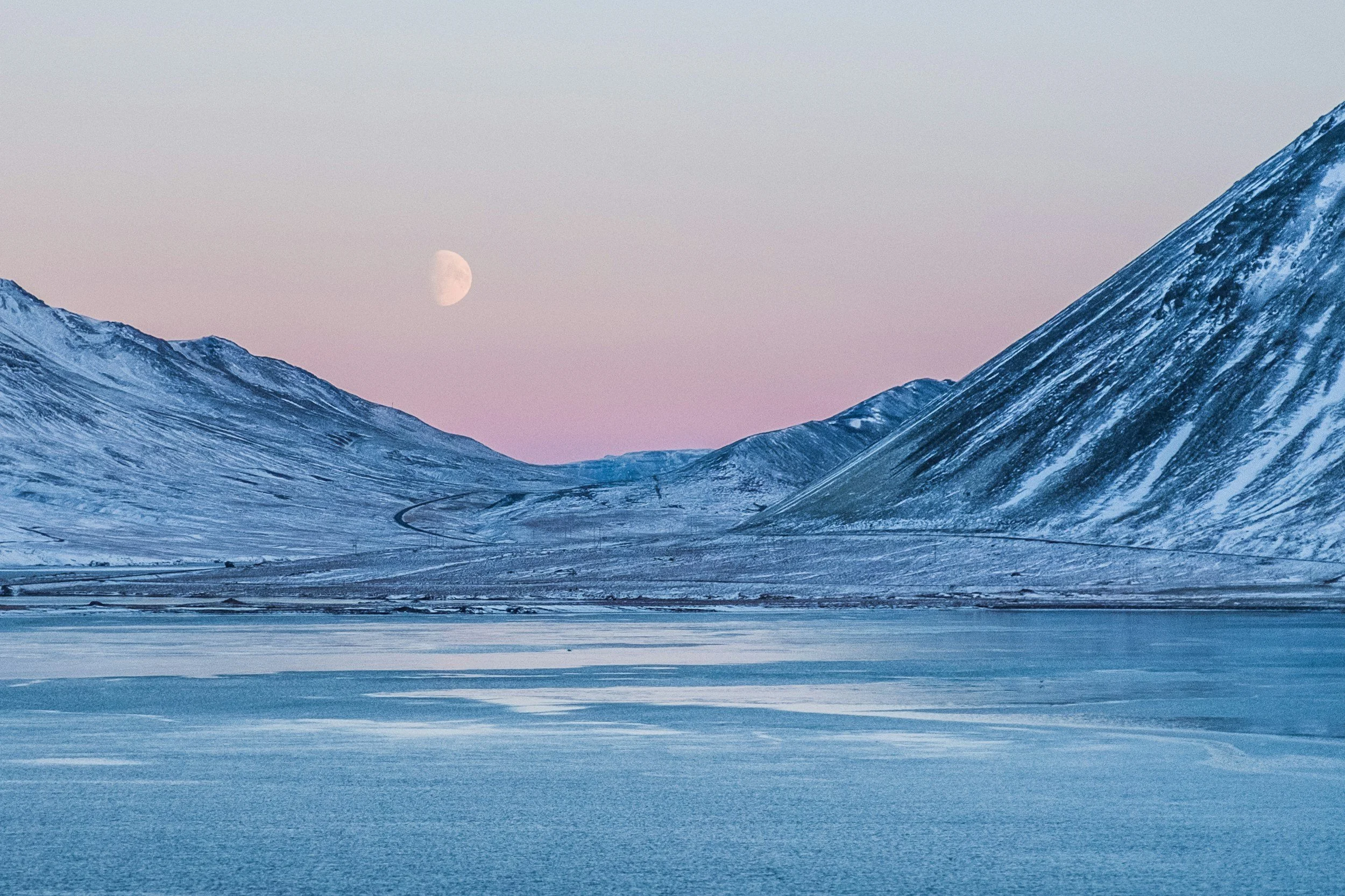
The Arctic is home to one of the largest remaining intact ecosystems on Earth and to peoples and cultures that have lived with and cared for these lands and waters for millennia. Today, the Arctic is undergoing profound change.
The region is warming nearly four times faster than the rest of the planet. Sea ice that has shaped ecosystems, travel routes, livelihoods, and cultures across the North is retreating. Permafrost is thawing. New shipping routes are emerging. Areas once considered too remote, frozen, or inaccessible for large-scale industrial activity are increasingly being viewed as strategic corridors, sources of energy, and repositories of so-called "critical minerals."
Under the banner of the green transition, a new wave of interest in the Arctic is accelerating. It is driven not only by climate goals, but also by growing competition for minerals, energy, infrastructure, technological development, and geopolitical influence. We are told that mining the Arctic is necessary to address climate change, yet for the approximately four million people who call the Arctic home, including nearly 400,000 Indigenous people, this transition often looks less like climate action and more like what many Indigenous leaders have described as "green colonialism."
This transformation is also blurring familiar geographic and political lines. The Arctic is often imagined as part of the wealthy and stable Global North, yet many communities facing expanding mines, energy corridors, military infrastructure, and industrial development describe realities that echo extractive “frontiers” elsewhere in the world.
Across the Arctic, homelands, hunting grounds, grazing territories, and living ecosystems are increasingly being reframed as assets in a global competition for resources. Decisions are often made far from the communities most affected, while the social, cultural, and environmental costs remain deeply local. In this sense, the divide that matters most is not simply between North and South, but between centers of political and economic power and the territories expected to absorb the externalized burdens of extraction and transition.
Geopolitical Competition in the North
“The political logic driving this transformation has become clear: states no longer speak only about climate or sustainability. They are speaking about “strategic autonomy,” “supply chain resilience,” and “national security.”
As the ice retreats, governments, mining companies, military planners, and investors are moving into the Arctic. The political logic driving this transformation has become very clear: states no longer speak only about climate or sustainability. They are speaking about “strategic autonomy,” “supply chain resilience,” and “national security.” In practice, this means securing access to lithium, cobalt, graphite, nickel, copper, and rare earths from jurisdictions considered politically stable or strategically controllable.
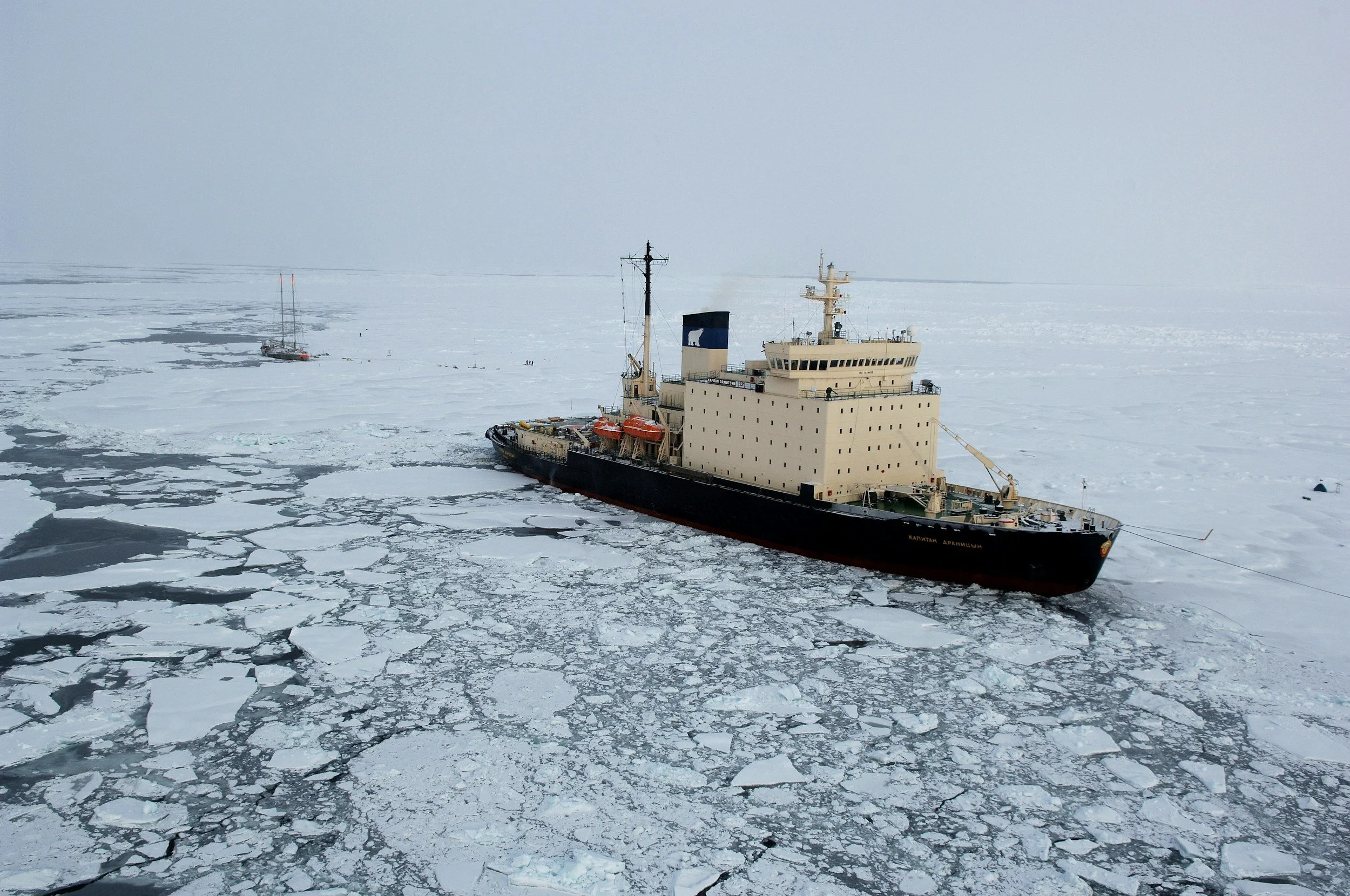
Russia is rapidly expanding its icebreaker fleet and military infrastructure across the Arctic, seeking to turn the Northern Sea Route into a major commercial corridor linking Asia and Europe. At the same time, however, many Arctic waters remain poorly charted, and the risks of accidents, fuel spills, and ecological disaster are immense. Yet the pressure to expand these routes continues to intensify.
China, despite not being an Arctic state, has declared itself a “near-Arctic State” and continues to expand its influence through infrastructure investments, mining interests, shipping ambitions, and scientific diplomacy. Through its “Polar Silk Road,” China is embedding itself into Arctic supply chains and energy systems, including investments tied to hydropower, minerals, ports, telecommunications, and maritime infrastructure.
At the same time, NATO expansion, renewed military exercises, surveillance systems, submarine positioning, and Arctic defense planning are increasing in the region. The Arctic is increasingly being viewed through the lens of security competition between Russia, NATO states, China, and the United States. Finland and Sweden joining NATO marks a fundamental shift in the political and military geography of the region. Military buildup is occurring alongside extractive expansion, creating a feedback loop between resource security and militarization.
Greenland has become another focal point of geopolitical competition. Its rare earth deposits, uranium reserves, strategic location, and shipping potential have drawn growing attention from the United States, the European Union, China, and private investors. Even ideas that once sounded absurd, including suggestions from high-level U.S. figures about purchasing or controlling Greenland, reveal how openly territorial the conversation has become.
Meanwhile, Indigenous Peoples, including the Sámi, Inuit, Nenets, Dolgan, Evenki, and many others are caught in the middle of these forces. Their territories are increasingly treated as strategic zones for extraction, military positioning, energy production, carbon offsetting, and industrial infrastructure. In many cases, states pushing hardest for Arctic expansion have still failed to fully recognize Indigenous Peoples’ rights to self-determination, Free, Prior and Informed Consent, or implement the minimum standards contained in United Nations Declaration on the Rights of Indigenous Peoples.
The Human Cost of Sweden’s “Green” Strategy
“From the outside, wind farms and mines may appear as symbols of progress and climate action. But for many Sámi communities, they represent what has been described as a slow erosion of culture - a slower and less visible form of dispossession, unfolding through the gradual loss and fragmentation of the lands that sustain reindeer herding, livelihoods, and cultural continuity”.
Sweden has emerged as a central node in this strategy. As Europe seeks to reduce dependence on external supply chains and secure access to critical minerals Sweden is increasingly being positioned as a cornerstone of Europe’s green industrial future.
This shift is reflected in policies such as the EU Critical Raw Materials Act (CRMA), which seeks to secure Europe’s access to strategic minerals by expanding domestic extraction, processing, and recycling capacities, while streamlining permitting processes. The law also identifies “strategic projects” eligible for fast-tracked permitting.
Northern regions like Norrbotten serve as hubs for mining, battery production, and fossil-free steel. Projects like the Talga Graphite Project near the village of Vittangi in northern Sweden aim to produce battery-grade graphite for electric vehicles. Meanwhile, the state-owned company LKAB has announced the Per Geijer Rare Earth Project near Kiruna, described as the largest known rare earth deposit in Europe and promoted as a strategic source of minerals needed for electrification, permanent magnets, and European industrial supply chains.
What is framed as an industrial strategy in Brussels arrives on the ground as mines, rail expansion, transmission lines, and growing pressure on Sámi territories.
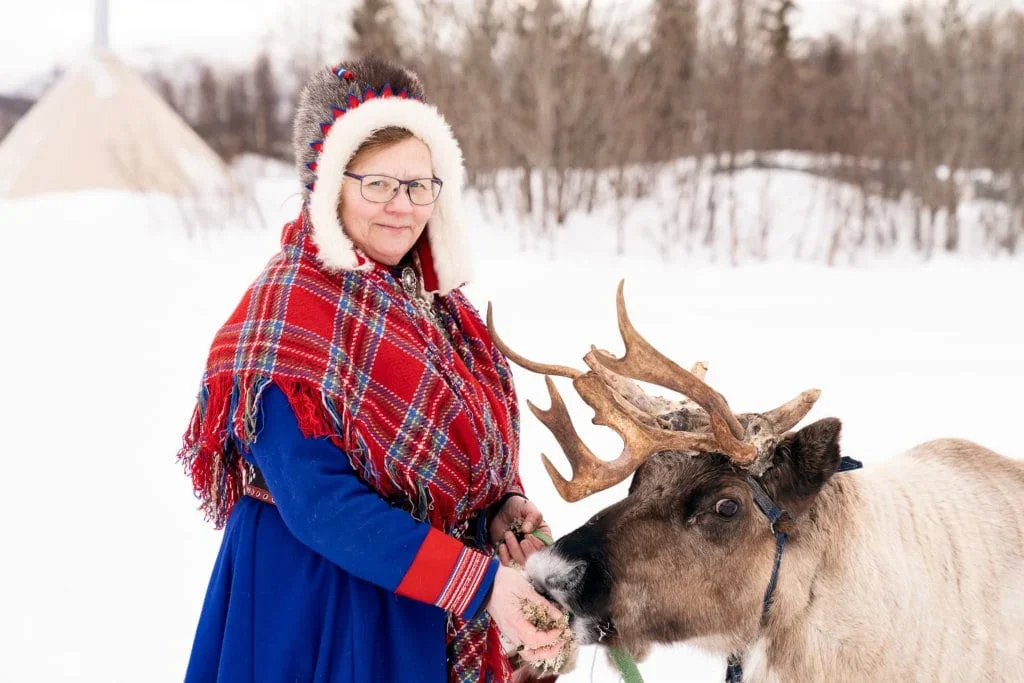
The Sámi are recognised as the only Indigenous people to mainland Europe. Their culture is deeply tied to reindeer herding, which depends on large, connected landscapes. Fragmentation of these landscapes is not simply an environmental concern; for many Sámi communities, it threatens the continuity of a way of life shaped over generations through movement, seasonal cycles, and deep relationships with the land.
The newly proposed projects like Talga’s graphite mine and the Per Geijer Rare Earth Project intersect directly with Sámi grazing lands. The expansion of mining, processing facilities, wind energy, railways, and transmission lines is creating cumulative impacts that are rarely assessed in full.
In Sweden, reindeer herding already operates on increasingly constrained land. Research on northern Fennoscandia has shown that around 85% of the land needed for reindeer herding is already affected by multiple and overlapping forms of land use pressure, including mining, forestry, transport infrastructure, energy projects, and climate change.
That’s what we heard from the reindeer herders during our visit to Kiruna and Vittangi in April 2026. Members of the Sámi reindeer herding community of Gabna shared that for many herders, each new project adds another layer of pressure: “the reindeer instinctually are drawn to those areas that they have been crossing since times immemorial, those territories are ingrained in their DNA”. And infringements upon these lands will disrupt these routes and fracture the cultural integrity of the Sami people, who are deeply connected to the reindeer.
This dynamic is already visible around the long-established iron ore mine in Kiruna, where decades of mining expansion and related infrastructure have contributed to the fragmentation of reindeer grazing lands and migration routes.
From the outside, wind farms and mines may appear as symbols of progress and climate action. But for many Sámi communities, they represent what has been described as a slow erosion of culture - a slower and less visible form of dispossession, unfolding through the gradual loss and fragmentation of the lands that sustain reindeer herding, livelihoods, and cultural continuity. Rather than occurring through a single act of displacement, this pressure accumulates over time, as each new road, mine, railway, wind farm, or industrial corridor further reduces the space available for movement, grazing, and traditional ways of life.
The issues of the land use for the energy transition do not begin or end with mining. Wind turbines are seen by many herders as one of the clearest examples of this pressure, as research has shown that reindeer may avoid areas near turbines and related infrastructure, especially during calving season.
This pressure is only increasing as electricity demand rises sharply, driven in part by the rapid growth of data centres and AI-related infrastructure highlighted in recent IEA projections. Ironically, much of this "green" electricity in Sweden is being used to provide discounted power for Facebook servers and Bitcoin mining. We are chewing away at Indigenous land to feed the addictions of social media and crypto-speculation.
Norway’s ambition in Repparfjord: Who pays the price?
“Norway, often viewed as a progressive leader in environmentalism, provides a stark example of this industrial pressure with the Nussir project. This planned copper mine in the Repparfjord, a pristine Arctic fjord that supports both marine ecosystems and Sámi livelihoods, is expected to dump over between one and two million tons of mining waste into the fjord every year”.
The Arctic mineral rush is not confined to the European Union. Across the circumpolar North, governments and industries are increasingly treating Arctic territories as strategic frontiers for the extraction of the minerals needed for the energy transition. In Norway, the proposed Nussir Copper Mine illustrates the same pattern.
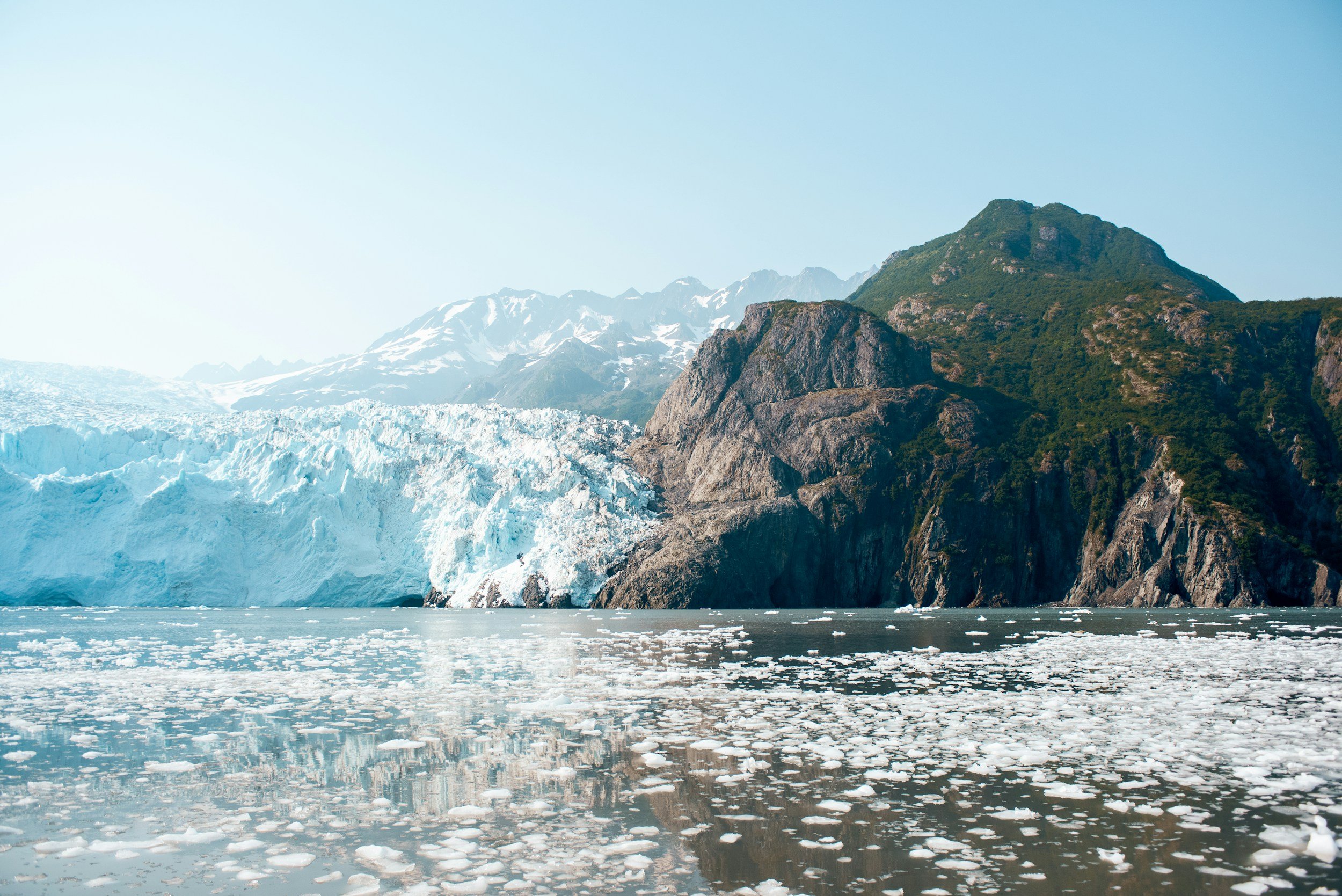
Norway, often viewed as a progressive leader in environmentalism, provides a stark example of this industrial pressure with the Nussir project. This planned copper mine in the Repparfjord, which is a pristine Arctic fjord that supports both marine ecosystems and Sámi livelihoods, is expected to dump over between one and two million tons of mining waste and tailings into the fjord every year, and up to 200 tons of toxic waste every single hour.
This method, known as submarine tailings disposal, has been banned or heavily restricted in many parts of the world due to concerns about marine ecosystems and water quality, yet Norway remains among the few countries that still permit it.
The concerns extend far beyond the fjord itself. Repparfjord is an important fishing area and forms part of a landscape used by Sámi fishers and reindeer herders. According to reporting by both the New York Times and Mongabay, communities fear the mine could damage salmon habitat, fisheries, and nearby reindeer calving and grazing areas. The Indigenous Sámi fishers and reindeer herders have continuously opposed the project, as the Repparfjord is essential to their traditional livelihoods. For Sámi fishers and reindeer herders, the fjord is not simply a resource or economic zone, it is part of a living system that sustains culture, livelihood, food systems, and identity.
One person interviewed by Mongabay described a growing feeling that "no place is safe", that local culture and the environment can survive only until someone finds a commercially viable project.
The philosophy of the proponents is perhaps best summed up by Nussir mining CEO Øystein Rushfeldt, who stated: “In transitioning, you’re going to have to break some eggs; and then the question is: Is it worth it? And what are we willing to accept?”. The underlying rationale here is that some places, and some peoples, must absorb damage for the greater good. But this immediately raises deeper questions: Who is being sacrificed? Who benefits from these projects? Who gets to decide what is considered an acceptable cost, and who ultimately pays the price?
As Sámi leader Nils Utsi put it when discussing the copper mine's impact on calving grounds: “You can't restore the Earth by destroying it”. For the Sámi, negotiating over ancestral land is like negotiating with life as collateral.
Across the Arctic
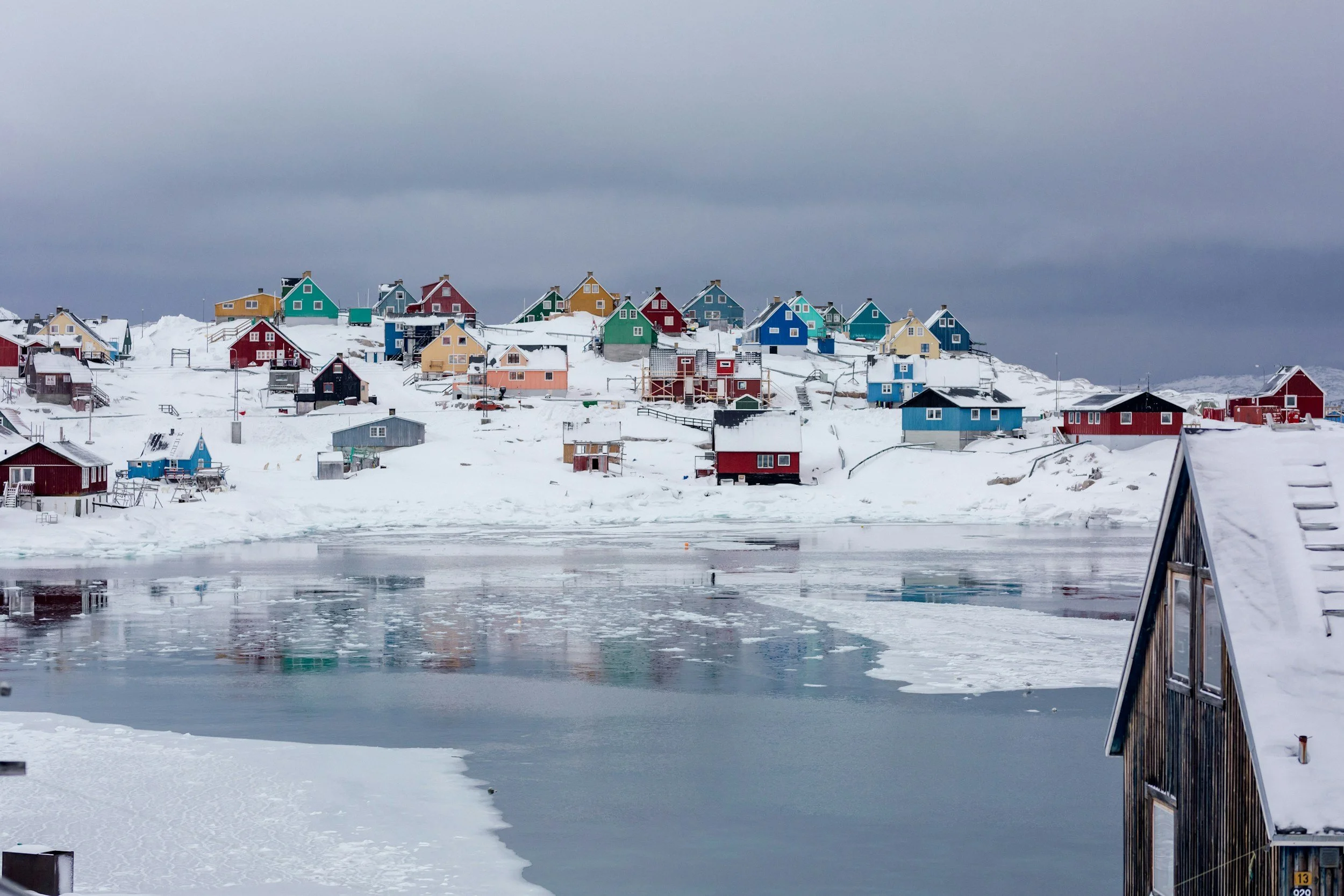
These are not isolated stories. Similar patterns are emerging across the Arctic.
In Narsaq, Greenland, residents have spent nearly two decades living under the shadow of the proposed Kvanefjeld Project. This massive rare earth and uranium deposit sits close to the town. While political decisions and legal disputes have repeatedly stalled the project, the uncertainty itself has had profound impacts on the community. Property values have stagnated, long-term planning has frozen, and the psychological burden of living next to a potential industrial site has become part of daily life.
Russia’s Arctic city of Norilsk, one of the world’s largest nickel and palladium producers, supplies metals essential for electric vehicles and renewable energy systems. Yet the region has become one of the most polluted industrial zones on Earth, with decades of mining and smelting operations contaminating surrounding air, soil, and waterways.
In a 2020 disaster, over 20,000 tons of diesel spilled into Arctic rivers and tundra ecosystems, further threatening the fishing, hunting, and reindeer-herding livelihoods of Indigenous Dolgan, Nenets, Nganasan, Evenki, and Enets communities living in the region. For many Indigenous residents, the spill was not an isolated accident but part of a much longer history of environmental destruction tied to extractive industries in the Russian Arctic. Here, the future of “clean energy” is already built on a landscape of contamination.
In Alaska, the proposed Ambler Road, which is framed by proponents as necessary for the energy transition, would run 211 miles through the Brooks Range, opening up a remote mineral belt targeted for large-scale copper mining and broader industrial development. Indigenous leaders warn that the road could severely damage watersheds, fisheries, and subsistence resources. As Evansville Tribal Chief Frank Thompson stated: “We know our traditional lifestyle will likely be destroyed severely impacting our watersheds, fisheries habitat and subsistence and cultural resources.” Once that road is in place, there is no going back.
The Systemic Contradiction
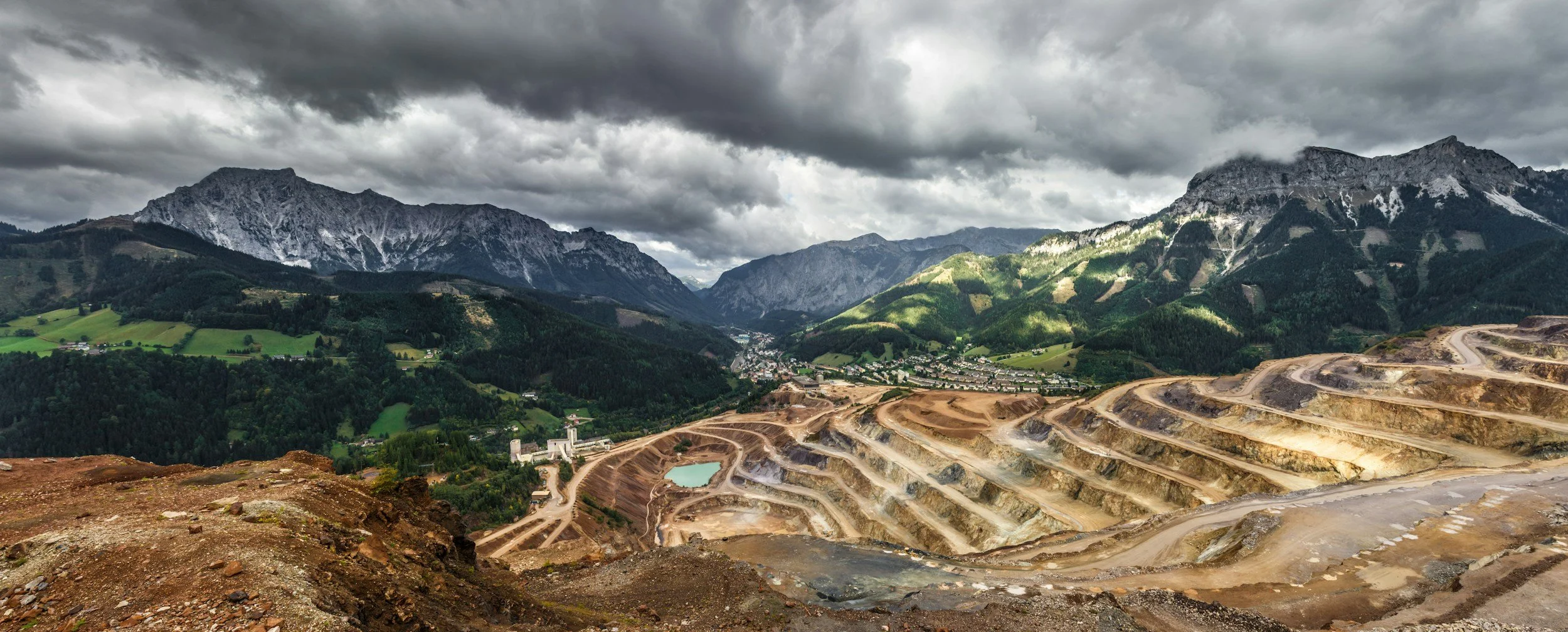
“There is a basic tension in the green transition. While the energy sources may be renewable, the systems behind them are not”.
Taken together, these stories reveal something larger than a regional debate; they point to a question that is emerging far beyond the North. From the lithium regions of South America to the nickel-producing islands of Indonesia, communities are being asked to accommodate projects presented as necessary for a greener future.
The Arctic is not unique in that sense, but what makes it different is that many of these pressures are arriving at once: mineral extraction, energy development, shipping, military expansion, data infrastructure. This makes some broader questions about the direction of the transition easier to see.
There is a basic tension in the green transition. While the energy sources may be renewable, the systems behind them are not. Electric vehicles require far more minerals than conventional cars, and wind and solar depend on complex global supply chains. These technologies wear out, need replacing, and generate waste. At the same time, energy demand keeps growing. The result is a system that expands extraction to support rising consumption, rather than reducing it.
Many of the projects described in this article may indeed contribute to reducing emissions. Yet they also raise a question that remains largely unanswered:
If the path to sustainability depends on ever greater demands for land, energy, materials, and infrastructure, how different is that path from the one we are trying to leave behind? Can we achieve ecological balance while continuously expanding material industrial production and resource extraction? Can we address climate change without addressing consumption? Can a transition that reproduces patterns of sacrifice ever be called just?
Amid intricate geopolitical debates it is easy to lose sight of what the Arctic actually is.
The Arctic is not a supply chain. It is not a shipping corridor. It is not a repository of strategic assets waiting to be developed.
It is a homeland.
For its Indigenous Peoples, the Arctic is a place of memory, identity, responsibility, and belonging. It is where cultures have evolved alongside lands, waters, ice, animals, and seasons over thousands of years. These relationships cannot be measured in commodity prices, strategic value, or projected economic returns.
The choices being made today will shape more than the future of the Arctic. They will determine whether the Arctic is governed as a territory of life by Indigenous Peoples or transformed into yet another arena of global competition.
At a time when governments and industries are looking north for solutions to multiple crises, the most important lesson from the Arctic may be the simplest: places are more than the resources they contain.
